
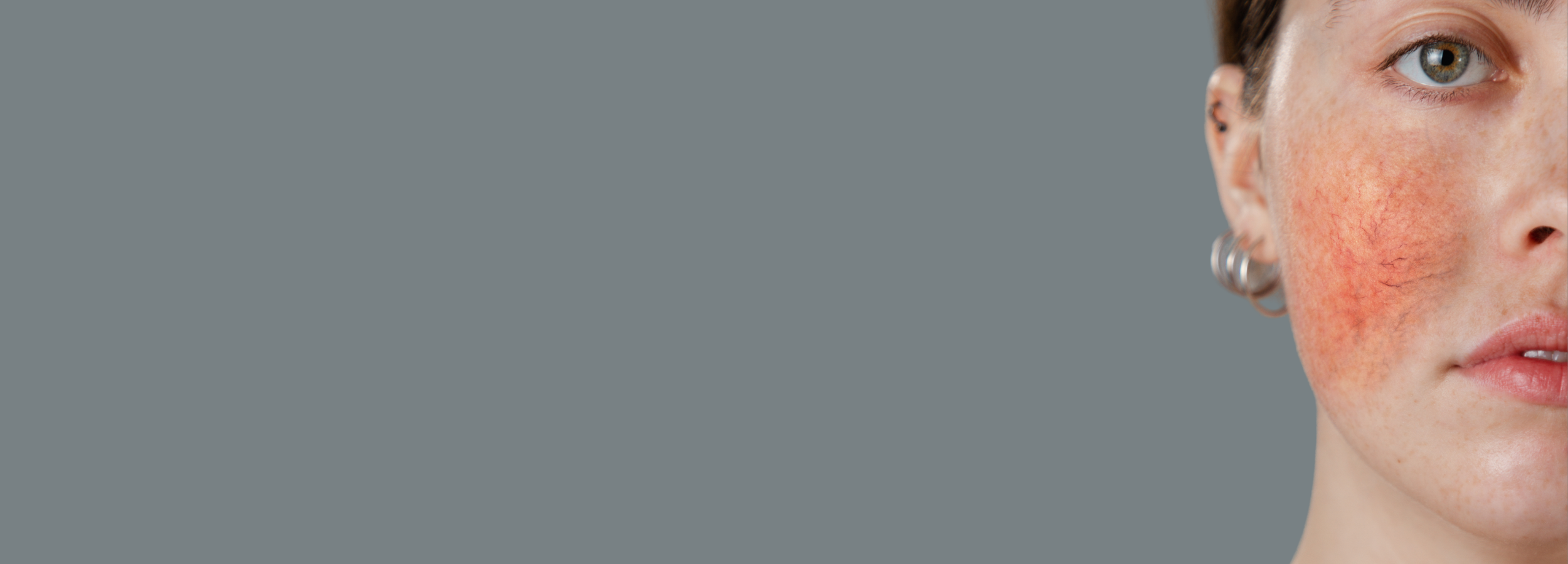
Rosacea Treatments
Reduce Redness & Flushing with Proven Therapies
Rosacea Care at DermaEnvy
Rosacea affects approximately 10% of the population — and for many, it is more than a skin condition. The persistent redness, visible blood vessels, and unpredictable flare-ups can affect your confidence and daily life in ways that go far beyond your complexion.
At DermaEnvy Skincare, our trained medical aestheticians take a personalized approach to rosacea management. Through clinically proven treatments like IPL Photofacial and LED Light Therapy, we help reduce the appearance of redness, calm visible inflammation, and support a more even, balanced-looking skin tone — without harsh procedures or significant downtime.
With 10 clinic locations across Nova Scotia, New Brunswick, Newfoundland, Prince Edward Island, and Ontario, effective rosacea treatment is closer than you think.
Book a complimentary skin consultation to learn which rosacea treatment options may be best suited for your skin.
What Is Rosacea?
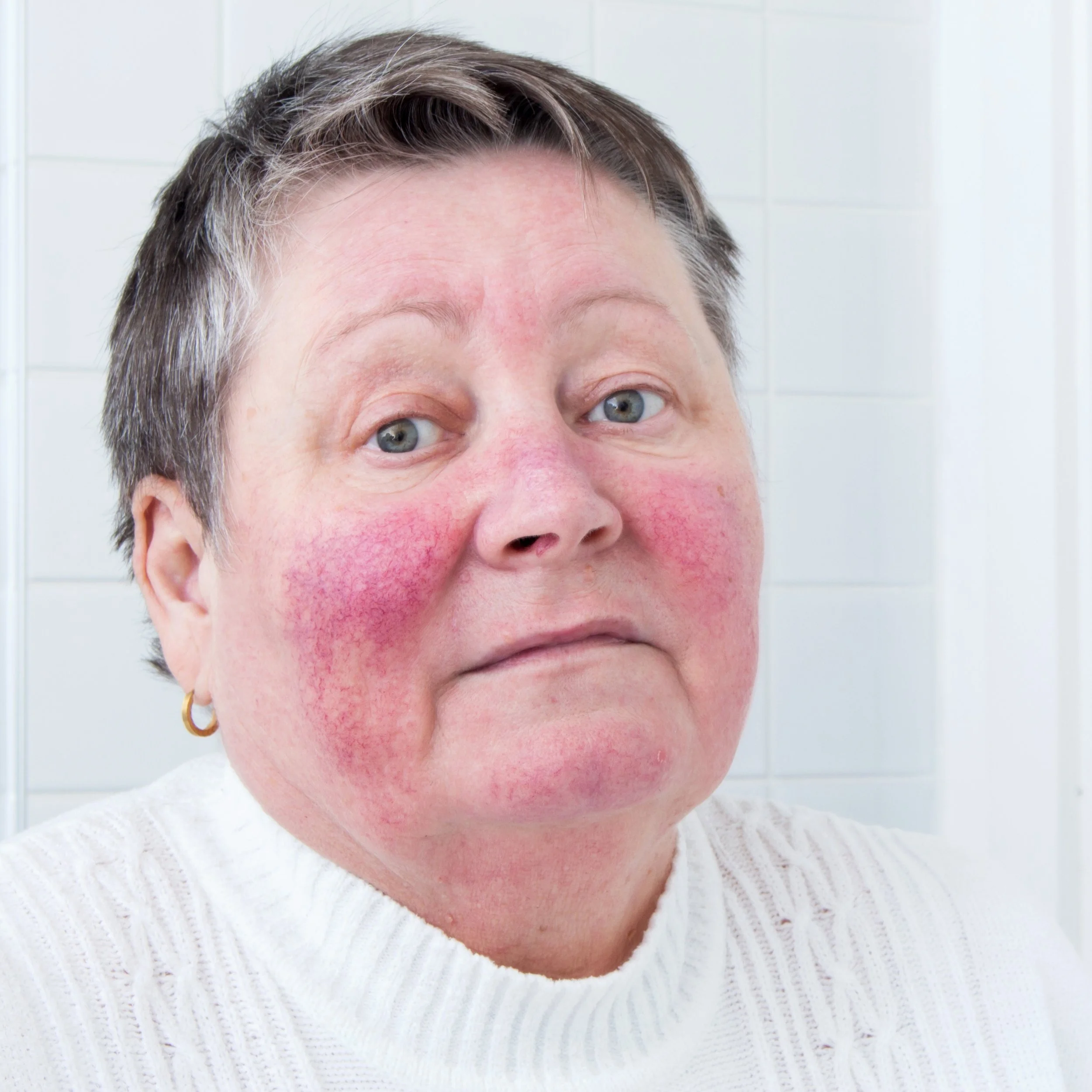
Rosacea is a chronic inflammatory skin condition that primarily affects the face. It is characterized by persistent redness, flushing, and visible blood vessels — and in some cases, small red or pus-filled bumps that are frequently mistaken for acne.
Rosacea most commonly appears on the cheeks, nose, chin, and forehead, though it can also affect the neck, chest, and ears. It tends to cycle through flare-ups and periods of improvement, and without proper management, symptoms can worsen over time.
While rosacea can affect anyone, it is most prevalent in fair-skinned adults between the ages of 30 and 60, and is more commonly diagnosed in women — though men often experience more severe symptoms. Rosacea is not contagious, and while it cannot be permanently cured, it can be effectively managed with the right combination of professional treatments and a consistent skincare routine.
The Four Types of Rosacea
Understanding your rosacea subtype is an important first step toward effective treatment. There are four recognized subtypes, each with distinct characteristics:
1. ERYTHEMATOTELANGIECTATIC ROSACEA (ETR)
The most common subtype, characterized by persistent facial redness, frequent flushing, and visible broken blood vessels (telangiectasia). Skin often feels sensitive, rough, or dry. IPL Photofacial is particularly effective for this subtype.
2. PAPULOPUSTULAR ROSACEA (PPR)
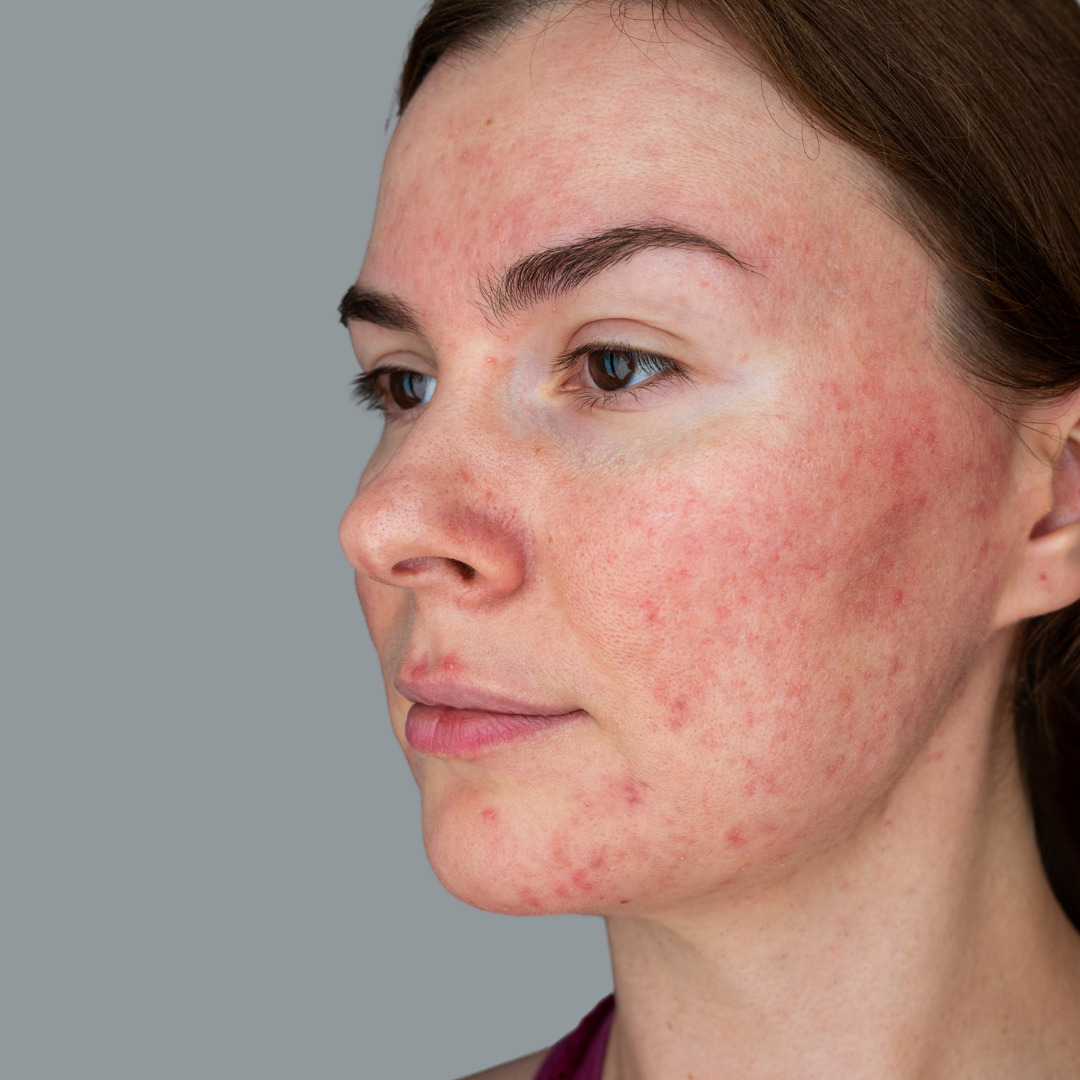
Often mistaken for acne, this subtype involves redness alongside inflamed red bumps and pus-filled breakouts. Unlike acne, blackheads are typically absent. A combination of IPL and LED therapy can help manage symptoms.
3. PHYMATOUS ROSACEA
A less common subtype that causes the skin to thicken and develop an uneven, bumpy texture — most often on the nose (rhinophyma). More commonly seen in men. Professional treatment and early intervention are important to prevent progression.
4. OCULAR ROSACEA
Affects the eyes and eyelids, causing redness, irritation, burning, swollen eyelids, and in some cases, vision concerns. Ocular rosacea often occurs alongside other subtypes and can sometimes precede skin symptoms. If you experience eye-related symptoms, it's important to discuss these with both your skincare provider and your physician.
What Causes Rosacea?
The exact cause of rosacea isn't fully understood, but research points to a combination of genetic, environmental, and biological factors.
Identifying and managing your personal triggers is an important part of any rosacea treatment plan. Our skincare experts will help you work through this during your free skin consultation.
-
Genetic Predisposition — A family history of rosacea significantly increases your risk of developing the condition.
Blood Vessel Abnormalities — Dysfunction in the facial blood vessels contributes to the persistent flushing and redness associated with rosacea.
Immune System Response — An overactive immune response is believed to drive the inflammation seen in rosacea, particularly in the papulopustular subtype.
Skin Barrier Dysfunction — A compromised skin barrier makes skin more reactive and prone to irritation, worsening rosacea symptoms over time.
Demodex Mites — These microscopic mites naturally live on the skin but are found in higher concentrations in people with rosacea, and may contribute to inflammation.
Environmental Triggers — Sun exposure, extreme temperatures, wind, and humidity are among the most common rosacea triggers.
Lifestyle Triggers — Spicy foods, alcohol (especially red wine), hot beverages, exercise, stress, and certain skincare products containing alcohol or fragrance can cause flare-ups.
Hormonal Changes — Fluctuations during menopause, pregnancy, or the menstrual cycle can exacerbate symptoms in some individuals.

Rosacea Symptoms
Rosacea symptoms vary from person to person depending on subtype and severity. The most recognizable sign is persistent redness across the central face — particularly the cheeks, nose, chin, and forehead.
Rosacea symptoms often flare up in cycles, improving for a time before returning. Without proper management, symptoms can progressively worsen. Early treatment is key to preventing long-term changes to the skin.
-
Common symptoms include:
Persistent facial redness or flushing
Visible broken blood vessels (capillaries) on the face
Red, swollen bumps or pimple-like breakouts
Skin that feels hot, sensitive, or tender to the touch
Stinging or burning sensations
Patches of rough, dry, or thickened skin
Enlarged pores
A swollen or bulbous nose (in more advanced cases)
Ocular (eye-related) symptoms may include:
Red, irritated, or watery eyes
Swollen or crusty eyelids
Sensitivity to light
Blurred vision
Rosacea Treatments at DermaEnvy
-
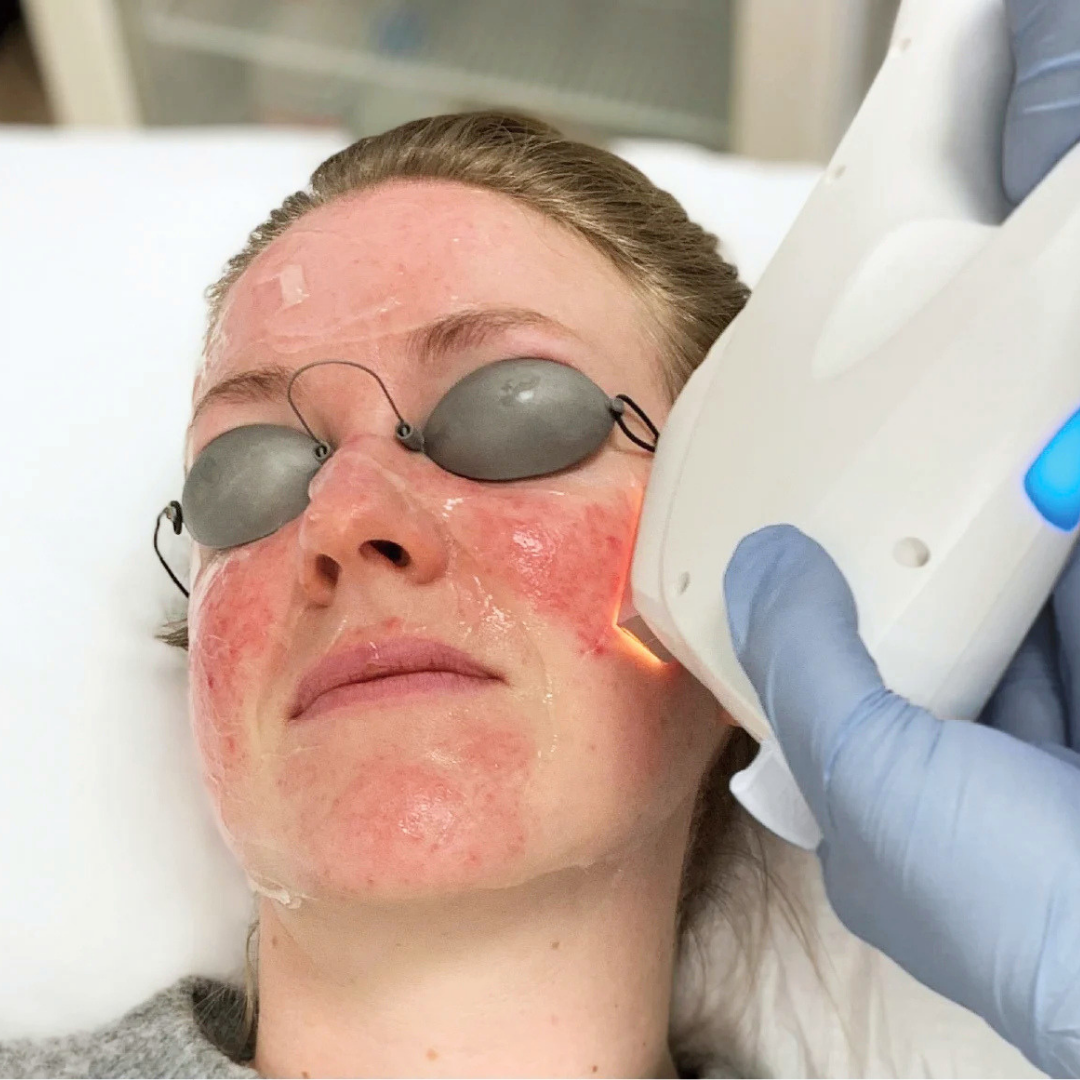
IPL Photofacial (Intense Pulsed Light) is one of the most clinically effective professional treatments for rosacea — particularly for erythematotelangiectatic rosacea involving persistent redness and visible blood vessels. IPL technology delivers targeted light energy into the skin, which is absorbed by the dilated blood vessels beneath the surface. This causes the vessel walls to gradually collapse and be reabsorbed by the body, visibly reducing redness and broken capillaries over a course of treatments.
IPL is also effective for treating the sun damage, pigmentation irregularities, and uneven skin tone that commonly accompany rosacea-prone skin.
Best for: Persistent facial redness, visible blood vessels, flushing, uneven skin tone, and sun-related pigmentation alongside rosacea.
-
For clients with more persistent or complex rosacea — particularly those with significant vascular involvement, deeper broken capillaries, or rosacea that has not responded fully to standard IPL — DermaEnvy's Advanced Corrective IPL, powered by LUCENT IPL™ technology, offers an enhanced level of precision and customization.
Unlike standard IPL, the Advanced Corrective system allows our skincare experts to adjust wavelength, depth, and pulse mode to your skin's exact needs, targeting stubborn vascular lesions and redness with greater accuracy. An advanced contact cooling system also enhances comfort during treatment, making it well-tolerated even on sensitive rosacea-prone skin.
Best for: Persistent or complex rosacea, significant vascular lesions or broken capillaries, and clients seeking a higher level of IPL customization.
Please note: Advanced Corrective IPL is currently available at our Halifax, Sydney, St. John's, and Charlottetown locations.
-
LED Light Therapy is a gentle, non-invasive treatment that uses specific wavelengths of light to reduce inflammation, calm reactive skin, and support the skin's natural healing process. For rosacea, yellow and red LED wavelengths are particularly beneficial — targeting the vascular component of rosacea while soothing sensitive, inflamed skin.
LED therapy is an excellent option for individuals with highly sensitive or reactive rosacea-prone skin who want a calming treatment with absolutely no downtime. It also pairs well with IPL as part of a comprehensive, ongoing rosacea management plan.
Best for: Inflamed or reactive rosacea, sensitive skin, clients who want a zero-downtime treatment, and ongoing rosacea maintenance between IPL sessions.
-
Rosacea doesn't only cause redness — it often compromises the skin's barrier function, leaving skin chronically dehydrated, sensitized, and reactive to products and environmental triggers. The HydroFacial (hydrodermabrasion) addresses this underlying vulnerability through a gentle, multi-step process that exfoliates, deeply hydrates, and infuses calming serums into the skin — without the friction, heat, or harsh ingredients that can aggravate rosacea.
Unlike many facial treatments that are too aggressive for rosacea-prone skin, the HydroFacial is specifically suited for sensitive and reactive skin types. It makes an excellent maintenance treatment between IPL or LED sessions, helping to support a healthier, more resilient skin barrier over time.
Best for: Rosacea-prone skin with dehydration, barrier dysfunction, or sensitivity; clients looking for a gentle, zero-downtime maintenance treatment alongside their primary rosacea therapy.
Which Rosacea Treatment Is Right for You?
Every case of rosacea is unique, and your treatment plan should be too. The best approach depends on your rosacea type, skin sensitivity, visible symptoms, and personal skin goals.
During your complimentary skin consultation, one of our trained medical aestheticians will assess your skin, listen to your concerns, and recommend a customized treatment plan designed to support calmer, healthier-looking skin.
At DermaEnvy, we take a personalized approach to rosacea care because your skin deserves more than a one-size-fits-all solution.
Rosacea vs. Acne: What's the Difference?
Rosacea — particularly papulopustular rosacea — is frequently mistaken for acne. While both conditions can cause redness and bumps on the face, they are distinct conditions that require different treatment approaches. Using acne-targeting products on rosacea-prone skin can actually worsen symptoms significantly.
| Rosacea | Acne | |
|---|---|---|
| Primary cause | Chronic inflammatory condition | Clogged pores and bacteria |
| Typical age of onset | Adults 30–60 | Teenagers and young adults |
| Blackheads / whiteheads | Absent | Common |
| Flushing / persistent redness | Yes — hallmark symptom | Localized around breakouts |
| Skin sensitivity | Typically high | Varies |
| Triggered by heat or alcohol | Yes | Rarely |
| Visible blood vessels | Common | Uncommon |
If you're unsure whether you're dealing with rosacea, acne, or both, a free consultation with a DermaEnvy skincare expert is the best place to start.
Frequently Asked Questions About Rosacea
-
There is no single best treatment — the most effective approach depends on your rosacea subtype and symptom severity. For persistent redness and visible blood vessels, IPL Photofacial is widely considered one of the most effective professional treatments available. LED Light Therapy is excellent for reducing inflammation and calming sensitive skin. Many clients benefit from a combination of both, alongside a tailored daily skincare routine. A complimentary consultation at DermaEnvy is the best first step. You can book your consultation online at https://book.dermaenvy.com/webstoreNew/services
-
Most clients see meaningful improvement after 3–5 IPL sessions, spaced approximately 3–4 weeks apart. Your DermaEnvy aesthetician will assess your skin during your consultation and provide a personalized session recommendation.
-
Rosacea is a chronic condition, meaning it cannot be permanently cured. However, with the right professional treatments and a consistent skincare routine, symptoms can be effectively managed and significantly reduced. Many clients experience extended periods of clear, comfortable skin with periodic maintenance treatments.
-
Common triggers include sun exposure, heat, spicy foods, alcohol (particularly red wine), stress, vigorous exercise, wind, and certain skincare products — especially those containing alcohol or fragrance. Identifying and avoiding your personal triggers is an important part of long-term rosacea management.
-
Treatment costs vary depending on the type of treatment, the number of sessions recommended, and your clinic location. Visit our Price Guide for an overview, or book a free consultation to receive a personalized quote based on your skin assessment.
-

Book A Complimentary
Skin Consultation
Enviable skin happens here. Our trained medical aestheticians and skincare experts are here to help you achieve your skin goals.