
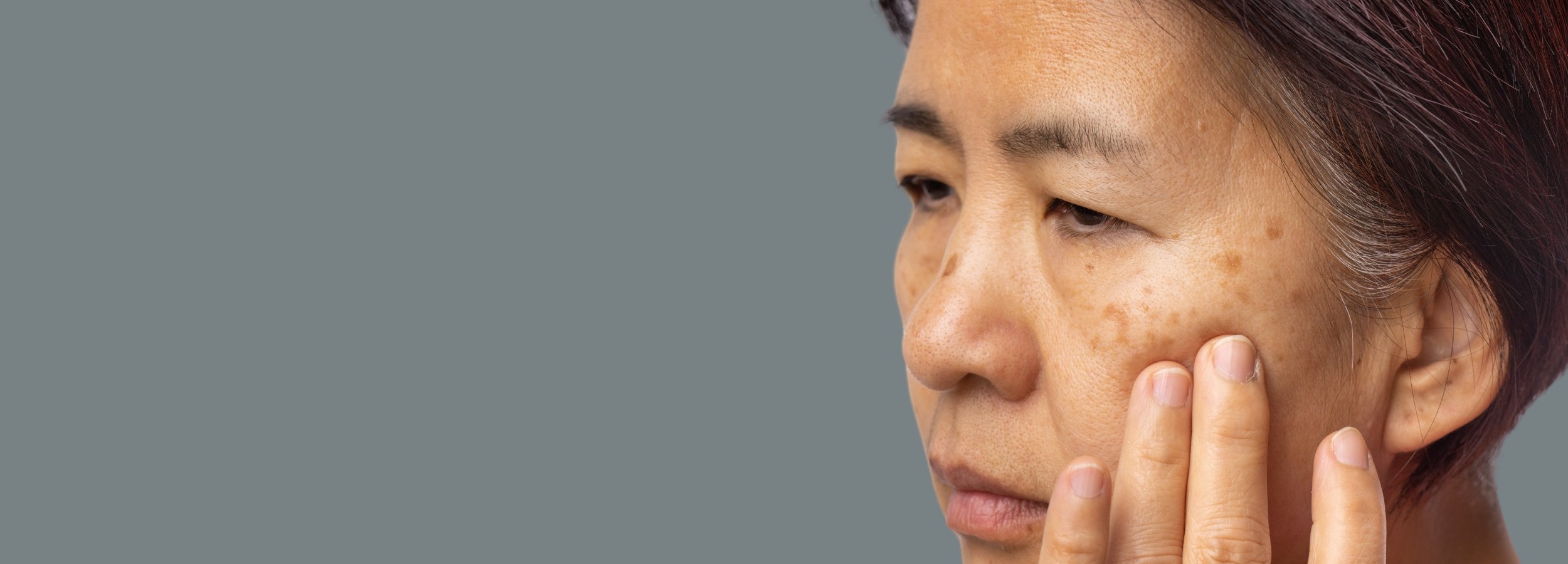
Age Spots
Fade Dark Spots, Improve Uneven Tone & Support Brighter-Looking Skin
Age Spot Treatments At DermaEnvy
Age spots, sun spots, brown spots, and pigmented lesions are common skin concerns that can appear after years of sun exposure, natural aging, hormonal changes, or inflammation in the skin. These flat areas of discoloration often develop on the face, hands, shoulders, chest, arms, and other areas that receive frequent sun exposure.
At DermaEnvy, we focus on improving the appearance of unwanted pigmentation through customized skin treatments that target uneven tone, visible brown spots, dullness, sun damage, and overall skin clarity. Because pigmentation can vary in depth, colour, cause, and sensitivity, most clients benefit from a professional consultation before starting treatment.
Your DermaEnvy skin expert will assess your skin during a complimentary consultation and recommend a treatment plan based on your pigmentation type, skin tone, sun exposure history, sensitivity, lifestyle, and skin goals.
-
CryoClear Pen
Professional home care recommendations
Daily SPF support

What Are Age Spots?
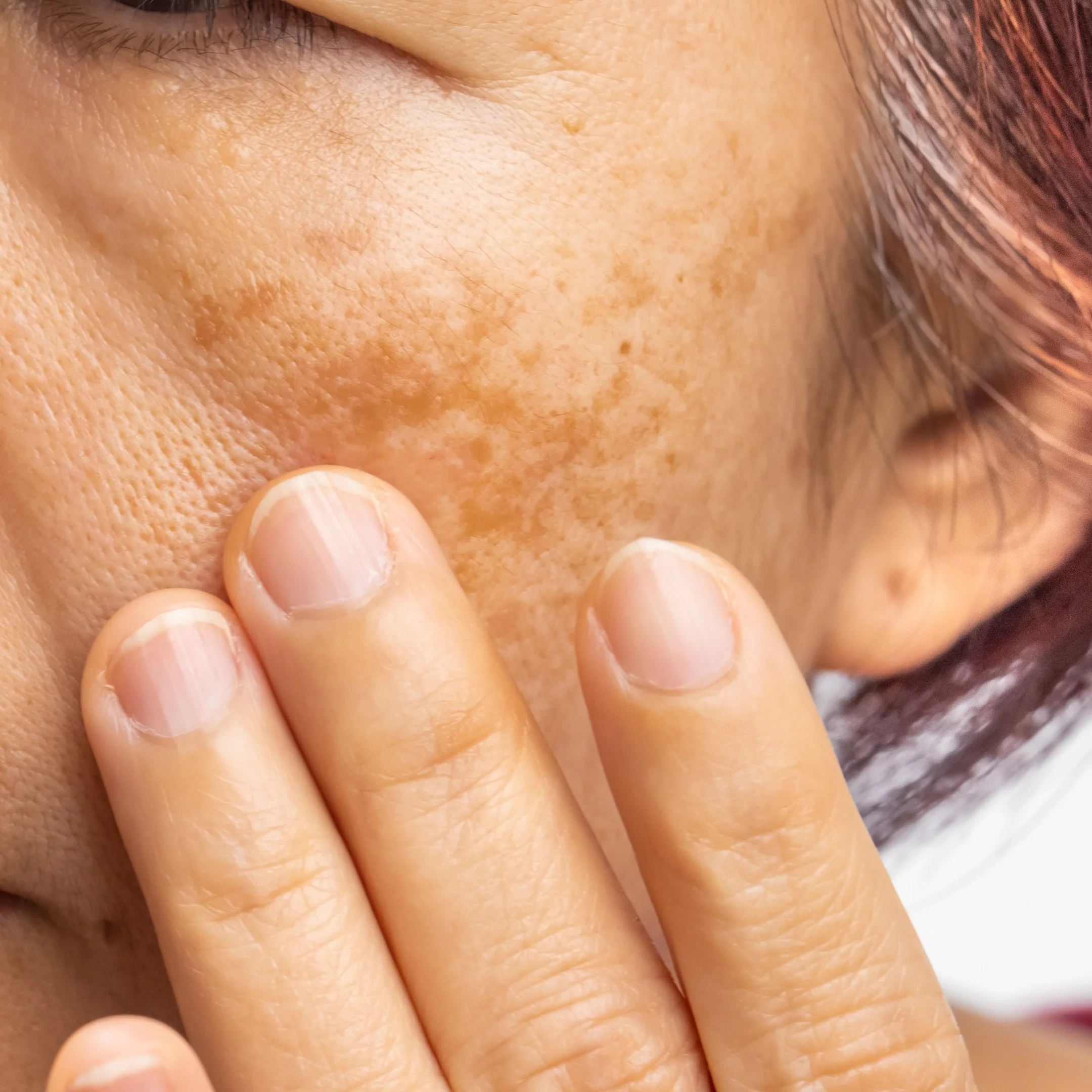
Age spots are flat brown, tan, or dark patches that appear on the skin when excess pigment collects in one area. They are also commonly called sun spots, liver spots, dark spots, or solar lentigines.
Although age spots are usually harmless, they can make the skin look uneven, dull, or prematurely aged. They often appear on areas that have had the most sun exposure over time, such as the face, cheeks, forehead, hands, arms, chest, shoulders, and upper back.
Age spots are different from freckles, melasma, post-inflammatory hyperpigmentation, and suspicious skin changes. This is why a professional skin consultation is important before choosing a treatment. If a spot is changing in size, colour, shape, border, texture, or sensation, it should be assessed by a physician before aesthetic treatment.
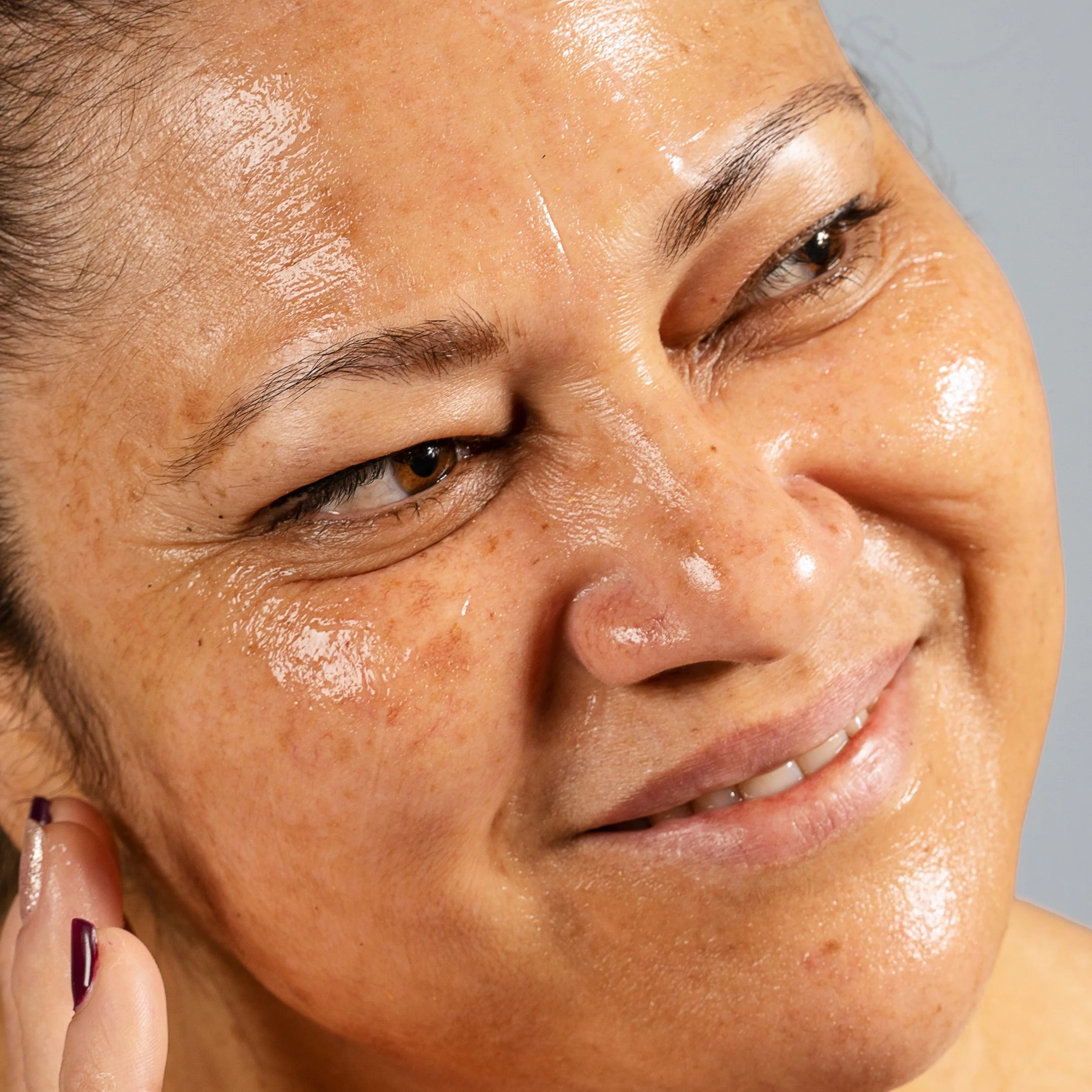
What Causes Age Spots?
Here are some of the most common causes of age spots and pigmented lesions:
Sun Exposure: Prolonged and frequent exposure to ultraviolet (UV) rays from the sun can stimulate melanin production, leading to dark spots.
Aging: As we age, the melanin production in our skin can become less even, contributing to age spots.
Genetics: A family history of pigmented lesions can increase your likelihood of developing them.
Hormonal Changes: Fluctuations in hormones due to pregnancy, menopause, or birth control pills can cause melasma, a form of pigmented lesion.
Skin Trauma: Injuries to the skin such as burns, cuts, or abrasions can sometimes heal with hyperpigmentation, creating darkened areas.
Medical Conditions: Diseases like liver dysfunction or hormonal imbalances can also lead to skin pigmentation issues.
Chemical Exposure: Some skin products or medications can make the skin more sensitive to the sun, leading to pigmented lesions.

Book A Complimentary
Skin Consultation
Enviable skin happens here. Our trained medical aestheticians and skincare experts are here to help you achieve your skin goals.